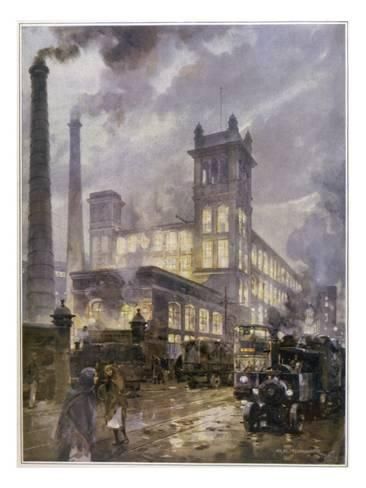
The cotton industry drove Preston’s economic growth throughout the nineteenth century, creating a new industrial society. John Horrocks built his first spinning mill in 1791, and by 1891 the opening of Centenary Mill marked 100 years of successful trading by Horrockses — widely known as “The Greatest Name in Cotton” and the most significant industrial enterprise in the area.
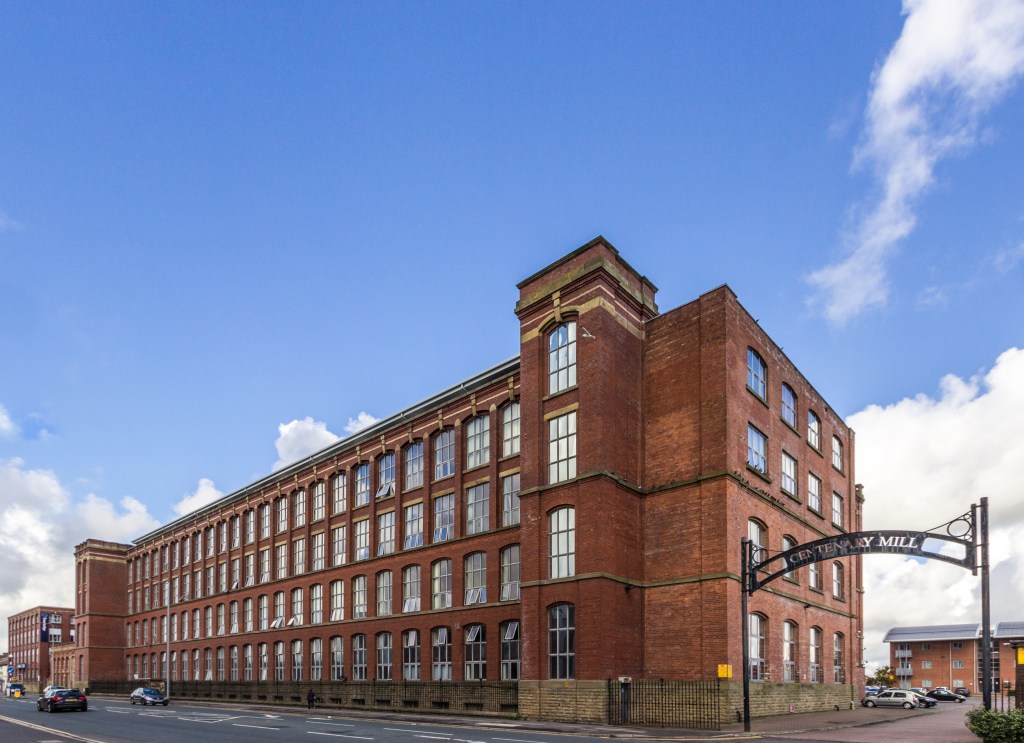
Centenary Mill was one of four giant spinning mills constructed at the height of Preston’s cotton age, bringing the total number of mills in the city to 64. Today, it is one of only two surviving mills from that period.
Located close to the town centre, on the main A59 and within walking distance of its junction with the A6, Centenary Mill occupies a prominent position on a high escarpment overlooking the south and east of Preston. It is approximately two miles from Junction 31 of the M6.
With approximately 203,000 square feet of floor space across five levels, the Mill features a façade reflecting contemporary architectural trends. Its pioneering use of pressed concrete floors and rolled steel beams allowed heavier loads and greater natural light through its many large windows.
Following the decline of the cotton industry, the Mill was repurposed as a warehouse. By 1988 it had fallen into disuse, at which point it was granted Grade II listed status in recognition of its historical and architectural significance.
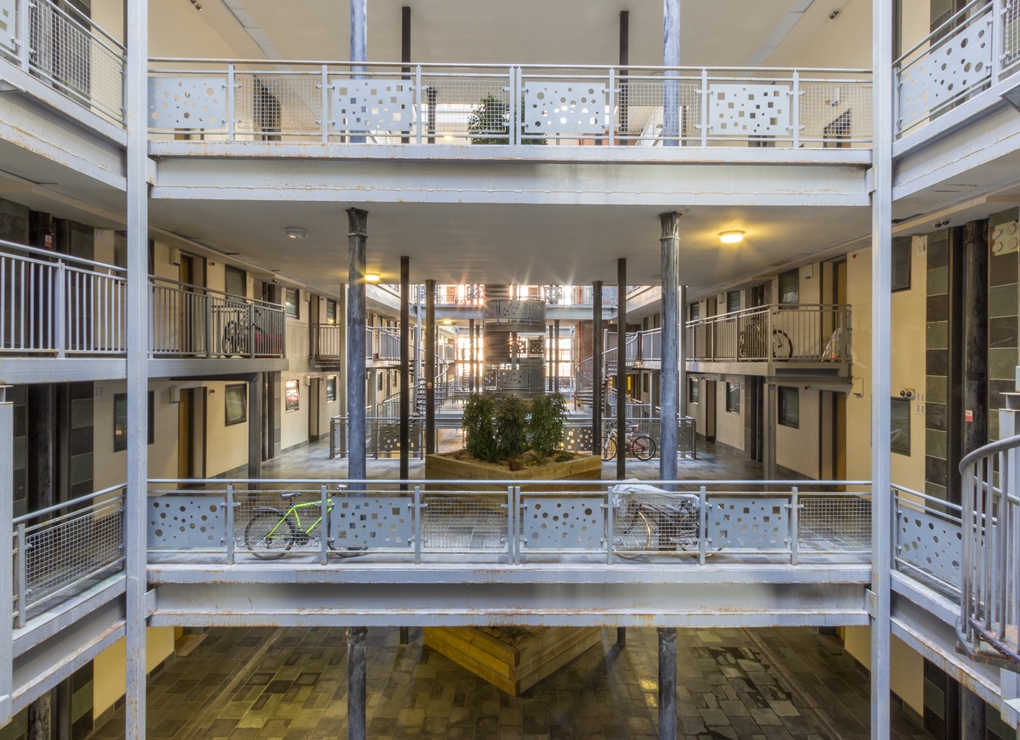
Mandale Homes later acquired the Mill and completed its conversion, along with the construction of three new-build blocks. The redevelopment was completed in 2005 and comprises 204 one- and two-bedroom apartments.